

Thinking about moving to the west side of the Twin Cities? The West Metro — anchored by Plymouth and Wayzata — combines major employers, top‑ranked schools, and a quality of life that consistently shows up in “best places to live” lists. Whether you are relocating for a new role or simply looking for a better fit for your family, this guide will help you make sense of the area.
Our goal with this page is simple: answer the questions we had when we first started exploring the West Metro but couldn’t easily find in one place. Welcome to PlymouthMN.com — your starting point for understanding the west side of town.
1. Why the West Metro?
The West Metro offers a hard‑to‑find balance: strong schools, established neighborhoods, and fast access to both downtown Minneapolis and the lakes.
- Plymouth is one of Minnesota’s larger cities, yet it feels like a collection of distinct, higher‑end neighborhoods rather than a single monolithic suburb.
- Wayzata brings a true “lake town” feel and a walkable downtown along the shores of Lake Minnetonka.
- Many residents work for nearby Fortune 500 companies or in downtown Minneapolis but prefer to come home to quieter streets, trails, and parks.
If you want proximity to the city without giving up space, schools, and green surroundings, the West Metro is often near the top of the shortlist.

2. West Metro at a Glance
Here is a quick orientation to what most people mean by “West Metro” in everyday conversation:
- Core communities: Plymouth, Wayzata, Minnetonka, Maple Grove, and surrounding suburbs.
- Commute: Roughly 15–25 minutes to downtown Minneapolis from many West Metro neighborhoods, depending on exact location and time of day.
- Lifestyle: A mix of family‑friendly neighborhoods, lakeside areas, and established residential pockets with mature trees and parks.
PlymouthMN.com focuses first on Plymouth and the Wayzata school area, then branches out into the surrounding communities as we publish more content.
3. Essential Newcomer Checklist (West Metro Edition)
Every move has a logistics layer. Here is a high‑level checklist tailored to West Metro relocations.
Schools: School districts are one of the biggest drivers of both home prices and long‑term satisfaction.
- Much of Plymouth falls into the Wayzata Public Schools system (ISD 284), with other portions served by Robbinsdale, Osseo, and Hopkins.
- Nearby cities have their own well‑known districts, each with different strengths and cultures.
If schools are a major reason for your move, your first step should be to confirm which district - and which specific schools - align with the neighborhoods you are considering.
For a city‑level look at life after you arrive, check out our “Living in Plymouth, MN” guide and our Plymouth New Resident Checklist.
 Newsdesk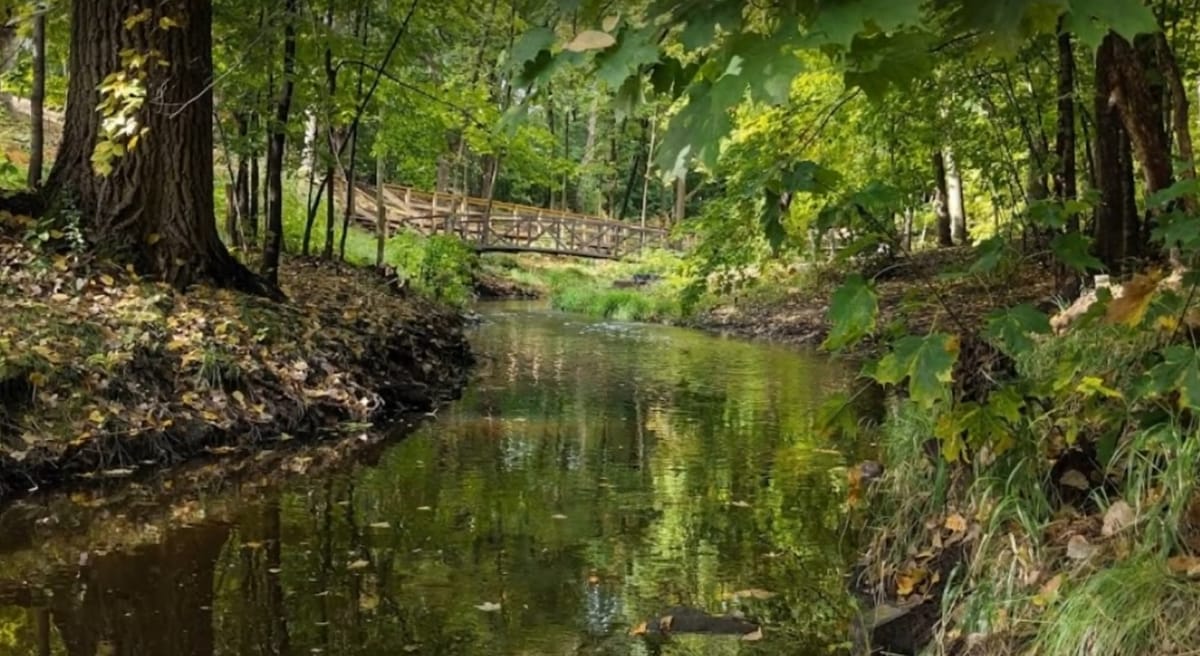
Utilities and services : As you narrow in on a specific home, you will want to confirm:
- Who provides electricity and natural gas at that address.
- How water, sewer, trash, and recycling are handled.
- Which internet providers serve the immediate area.
Your agent, landlord, or the city websites can help you verify details for your exact home so you can schedule turn‑on dates before move‑in.
Day‑one logistics: No matter which West Metro city you choose, plan to:
- Update your address on your driver’s license and vehicle registration.
- Update your address with employers, banks, and insurance providers.
- Register kids for school and explore after‑school activities.
- Identify nearby healthcare providers, pharmacies, and everyday services.
Once you know you are landing specifically in Plymouth, use our city‑specific new‑resident checklist to walk through these steps in more detail.
4. Parks, Lakes, and Recreation
One of the biggest surprises for newcomers is just how much outdoor access the West Metro offers.
- Plymouth has an extensive network of parks, playgrounds, and trails, as well as access to regional destinations like French Regional Park on Medicine Lake.
- The city maintains dog parks, community gathering spaces, and a strong year‑round recreation program.
- Large preserved areas like the Northwest Greenway offer miles of paved trails, boardwalks, and natural scenery.
- Community gardens provide dozens of rentable plots each year for residents who want to grow their own vegetables and flowers.
If day‑to‑day access to lakes, trails, and green space matters to you, the West Metro punches above its weight.
To get a closer look at individual parks, lakes, and programs inside Plymouth, visit our Parks & Recreation pages on PlymouthMN.com.


Three Rivers Park District - explore over 27,000 acres of parks & trails
5. The “Wayzata Schools” Premium
If you pay attention to listing descriptions, you will see the Wayzata school name come up again and again — even on homes with a Plymouth mailing address.
Here’s why that matters:
- Many buyers specifically seek homes in the Wayzata Public Schools attendance area, creating persistent demand in those neighborhoods.
- That demand often translates into a noticeable price premium and stronger long‑term resale prospects.
- Two homes a few doors apart can fall into different elementary or middle school boundaries, which can be a surprise if you only look at mailing addresses.
Expert tip: Never assume a home’s school assignment based solely on city or ZIP code. Before you write an offer, verify the specific school boundary through the school district’s official tools and confirm with your agent. Check our article on Attendance & Facilities Directory for additional details.
As we build out more content, we will dig deeper into how different Plymouth and West Metro neighborhoods line up with specific schools and what that means for long‑term value.
 Newsdesk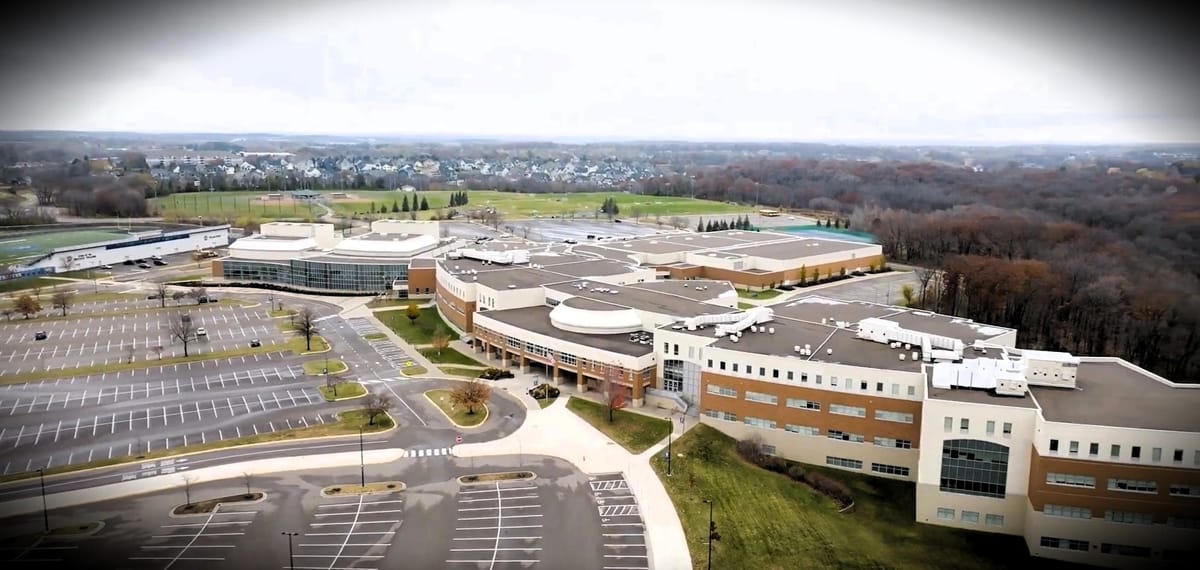
 Newsdesk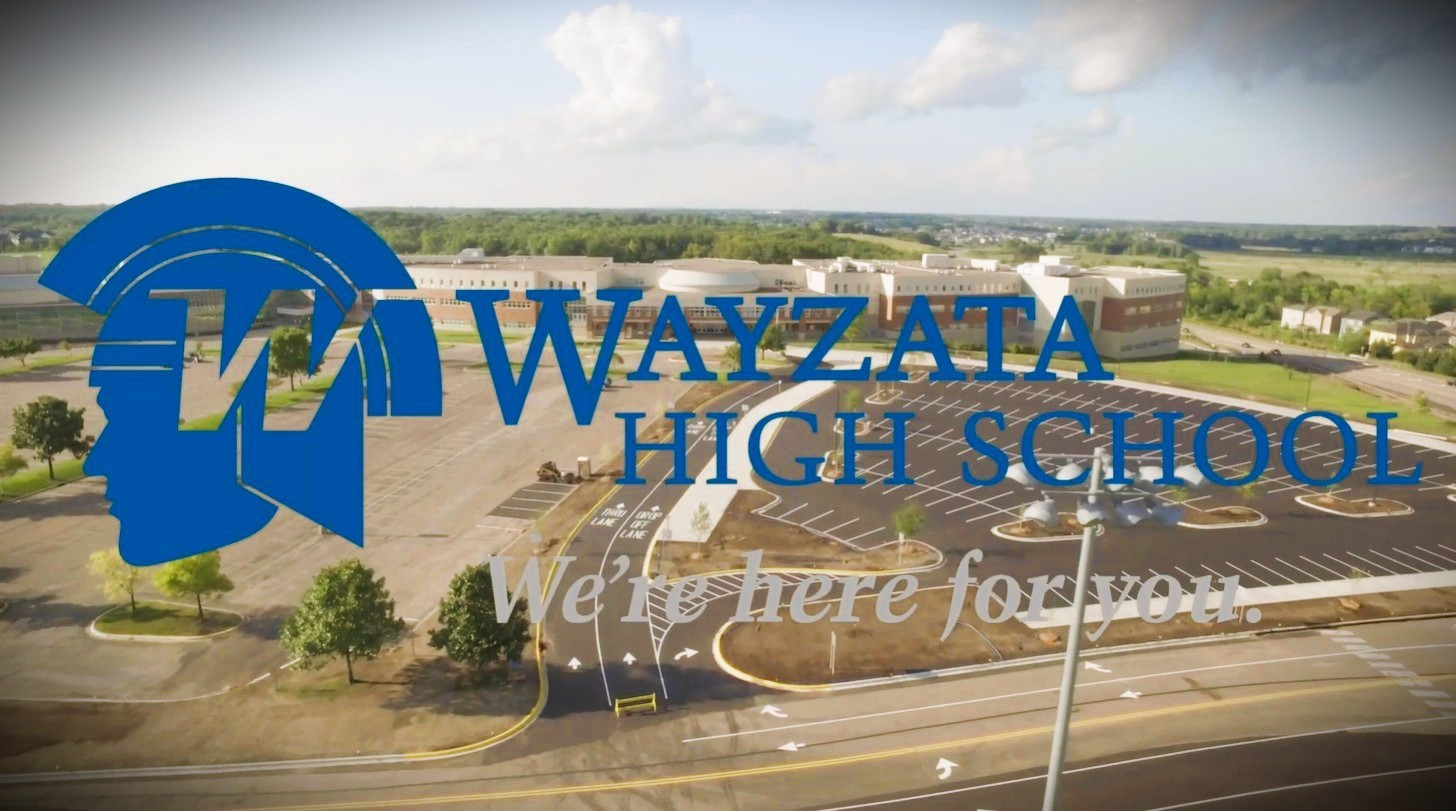
6. West Metro Real Estate Intelligence: 2026 Market Outlook
The West Metro housing market has shifted from the frenzied bidding wars of the early 2020s into what we call a “Thoughtful Market.” Buyers and sellers are still active, but decisions are more intentional and data‑driven.
In our West Metro Real Estate Intelligence: 2026 Market Outlook, we explore:
- How demand looks across different price points and property types.
- What is happening inside high‑demand pockets in the Wayzata school area.
- How interest rates and inventory are shaping negotiation dynamics.
If you are planning a purchase or sale in the next 12–24 months, reading that report will give you a grounded view of what to expect — beyond headlines and national averages.
Read the full report here:
 Newsdesk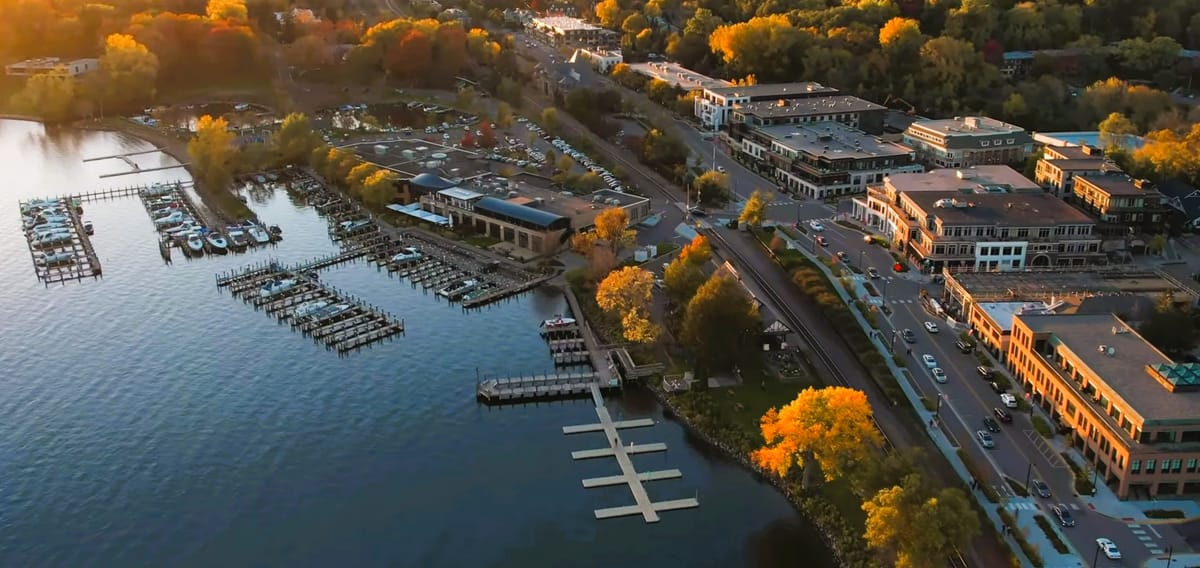
7. Find Your Neighborhood Expert
Web research can only take you so far. The most important insights often come from people who are in the market every day and know how specific streets, neighborhoods, and school boundaries behave over time.
A West Metro specialist can help you:
- Match your budget and lifestyle to the right neighborhoods.
- Spot trade‑offs that are not obvious on a map or listing sheet.
- Understand which areas tend to hold value best over time.
- Navigate contingencies, inspections, and negotiations with local context.
If you are starting to seriously consider a move, use the Find Your West Metro Advisor form on PlymouthMN.com to request an introduction to a West Metro real estate professional. Share a bit about your timeline and priorities, and we will connect you with someone who understands this side of town.
 Newsdesk
 Newsdesk
As PlymouthMN.com grows, you will also be able to meet featured local agents and read their insights in our “Plymouth Real Estate Experts” section and neighborhood‑level articles.


