The Medina Ripple Effect: How Highway 55 Growth is Shaping the West Metro
Recent development approvals by the Medina City Council highlight a rapid housing expansion. But the impact of Medina’s growth doesn't stop at its borders—it is a primary driver behind the historic $465M Wayzata school referendum and regional infrastructure strains.


When a city council approves a new housing development, the immediate conversations usually revolve around local traffic and property values. But in the interconnected West Metro, development in one municipality directly impacts the infrastructure and tax burdens of its neighbors.
This week’s updates from the Medina City Council regarding ongoing residential and mixed-use development approvals along the Highway 55 growth corridor provide a perfect case study.
Stay in the loop on Plymouth and the west metro
Get plain-English updates on local issues, community stories, and events that matter.
⚡Noise-free Hyperlocal News Experience
Join us in our journey!Medina Housing Boom
Medina is in the midst of a sustained housing boom, transitioning large tracts of agricultural and undeveloped land into high-density and single-family neighborhoods. While this brings new tax revenue and commercial opportunities to Medina, the ripple effects are being felt across the region—most notably in the Wayzata Public School District.
The School Crowding Catalyst
The growth in Medina is one of the primary catalysts behind the historic $465 million Wayzata Public Schools referendum approved by voters on April 14.
 The Newsroom at PlymouthMN
Because Wayzata’s district boundaries encompass portions of eight different municipalities—including the rapidly expanding sections of Medina—the influx of new families moving into these developments feeds directly into Wayzata's enrollment numbers. The district is projected to exceed available capacity at every grade level by the 2027-2028 school year, necessitating the new elementary and middle schools currently being planned.
In short: Housing policy decisions made at Medina City Hall are a direct factor in the property tax increases currently being absorbed by residents in Plymouth, Corcoran, and Minnetonka to fund those new schools.
Infrastructure
The Highway 55 Bottleneck Beyond the schools, the Medina expansion continues to add pressure to the Highway 55 corridor. As the primary artery connecting these new Western developments to I-494 and downtown Minneapolis, the highway is absorbing thousands of additional daily commutes.
This regional strain is forcing coordination among the Northern Lake Minnetonka municipalities and pushing MnDOT to continually evaluate traffic controls, intersection expansions, and safety measures along the route.
 The Newsroom at PlymouthMN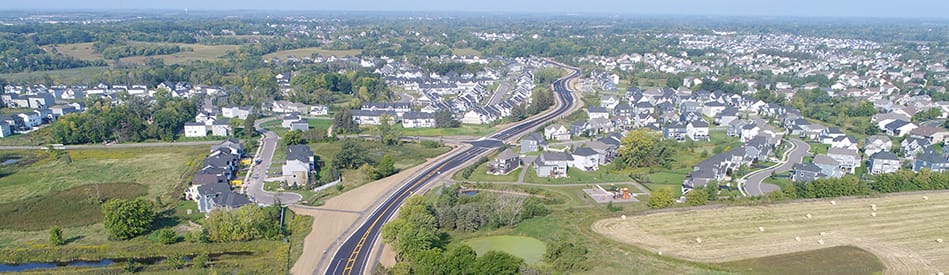
The Takeaway for the West Metro
As Medina continues to execute its long-term comprehensive plan, the developments rising along its eastern and southern borders are not isolated projects. They are the engines driving the next decade of infrastructure planning, school bonding, and regional traffic management for the entire West Metro ecosystem.


