Coordinated Cyberattack Targets Plymouth and Statewide Municipal Water Systems
A coordinated cyberattack targeted municipal water infrastructure across Minnesota late Sunday, hitting Plymouth and at least four other cities. While Plymouth’s drinking water remains completely safe, the incident exposes a growing vulnerability that federal experts warned about just days ago.


Minnesota IT Services has confirmed that this was a massive, coordinated cyberattack targeting more than 30 municipal water systems across the state over the last 48 hours. State technology officials have activated a statewide cybersecurity incident response involving local, state, and federal agencies. We have left the original article intact below, which details how Plymouth successfully navigated the attack and why federal agencies warned about these specific vulnerabilities just days ago.
UPDATE (Saturday, August 1):
The story continues... This regional cyberattack has since escalated into a national news cycle involving leaked federal memos. Read our follow-up piece here to cut through the national political noise and understand the reality of "Shadow OT."
The Bottom Line: Plymouth’s drinking water is 100% safe, water quality is unaffected, and residents do not need to adjust their consumption.
A coordinated cyberattack targeting municipal water infrastructure swept across Minnesota late Sunday night, hitting Plymouth and at least four other communities across the state.
According to city officials, the attack specifically targeted the cellular communications equipment that connects two of Plymouth’s water towers and multiple wastewater lift stations to the city's central network. Because the attack was limited to the communications layer—and did not breach the physical operating controls—Plymouth Public Works crews were able to seamlessly transition to manual operations to ensure uninterrupted service.
However, neighboring municipalities were not as fortunate.
A Statewide Sweep
This was not an isolated incident directed at Plymouth. The attack appears to have been a wide-net automated strike against municipal infrastructure sharing similar technological footprints.
- Maple Plain: Early Monday morning, officials in the neighboring West Metro city identified a cybersecurity incident that affected certain automated control functions in their water utility, prompting an emergency City Council meeting Monday afternoon.
- Braham: The east-central Minnesota city was forced to completely shut down the operating controls of its well and water treatment plant for nearly two hours on Monday morning, forcing the city to rely temporarily on water stored in its tower.
- South St. Paul: Officials reported that some automated controls were impacted, though public works staff were able to maintain normal water and wastewater operations.
- Other Municipalities: Officials noted that at least one other unnamed community experienced identical cyber activity.
The Federal Context: Why This is Happening
While the phrase "cyberattack on the water supply" sounds alarming, cybersecurity experts note that these incidents are rarely targeted attacks by individuals singling out a specific city. Instead, they are often automated, global probes deployed by foreign actors looking for specific internet-connected vulnerabilities.
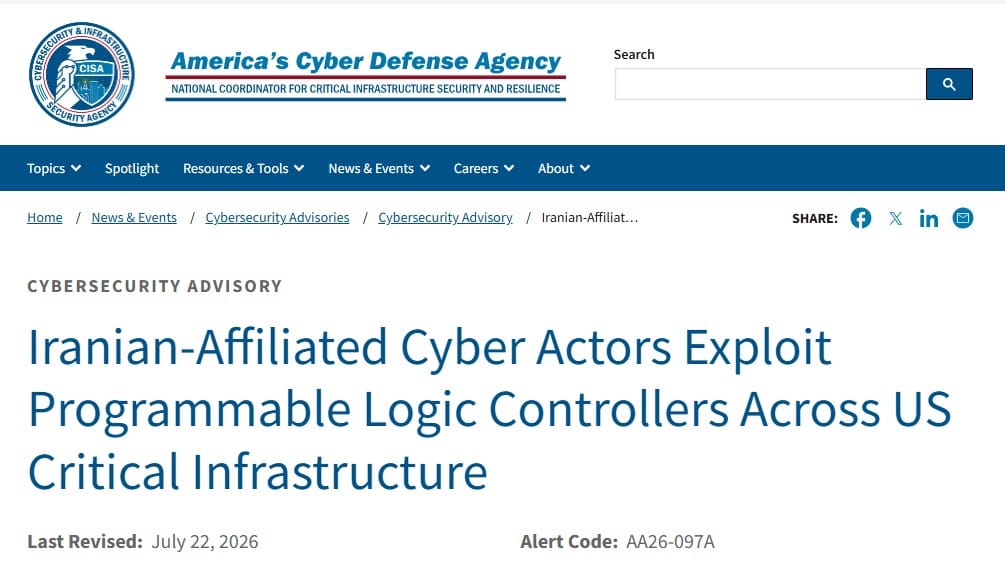
Just days ago, on July 22, the Cybersecurity and Infrastructure Security Agency (CISA) and the FBI issued an updated federal advisory specifically warning of this exact scenario.
The advisory warned that foreign-affiliated cyber actors are actively targeting Programmable Logic Controllers (PLCs) across U.S. critical infrastructure, specifically within the Water and Wastewater Systems (WWS) sector. Crucially, the federal advisory explicitly highlighted vulnerabilities in cellular modems used for remote field connectivity—the exact technology targeted in Plymouth.
What Comes Next
The prompt response by Plymouth's Public Works department highlights the importance of having manual fail-safes in an increasingly connected civic environment.
Minnesota IT Services and state agencies are currently providing cybersecurity and technical support to the impacted municipalities. As local and county governments continue to digitize public utilities for efficiency, securing "operational technology" (the digital systems that control physical machinery) will likely become a major budget and policy focus for city councils across the West Metro in the coming years.
PlymouthMN will continue to monitor the situation and provide updates if the city releases further details on the restoration of automated communications.
For Curious Minds
Beyond the surface-level headlines and copied press releases, understanding why these systems are targeted requires looking at the hidden complexity of our daily infrastructure. Water utilities are a patchwork of physical machinery and digital nervous systems that require a lot of infrastructure.
"The job of finding enough water, making it safe to use, and then reliably distributing it to the system customers with almost no downtime is a monumental task that requires a lot of infrastructure."
- Practical Engineering (YouTube Channel)
The Hidden Complexity of Water Systems
- SCADA Networks: Supervisory Control and Data Acquisition systems manage valves and pumps digitally.
- Industrial IoT: Remote facilities rely on cellular modems, creating potential entry points.
- Legacy Hardware: Many municipal plants operate on aging controls not originally built for internet security.
- Operational Continuity: Water systems cannot simply be "rebooted" without risking pressure loss or contamination.
To see exactly how these physical engineering marvels intersect with modern software and delivery grids, watch the breakdown below:
How Water Towers Actually Work: This Practical Engineering breakdown explains the crucial infrastructure behind municipal water towers and why they rely on automated systems to maintain community water pressure.
Note: If the video player above does not load, you can watch it directly on YouTube. This Practical Engineering feature explores the essential infrastructure and automated systems that keep municipal water pressure steady.
Stay in the loop on Plymouth and the west metro
Get plain-English updates on local issues, community stories, and events that matter. We are also free of clickbait ads and have no paywall.
If you value this experience, a quick share on Reddit, Facebook or Nextdoor goes a long way for an independent project like ours.
⚡Delivering Noise-free Hyperlocal News Experience
Subscribe Today Plymouth Editorial
We are here to fill the void between the mainstream media and social media; to create a hyperlocal publication focused on the West Metro.
 The Newsroom at PlymouthMN
A sneak-peak into our pursuit to leverage modern AI technologies to redefine the experience for local news.


